
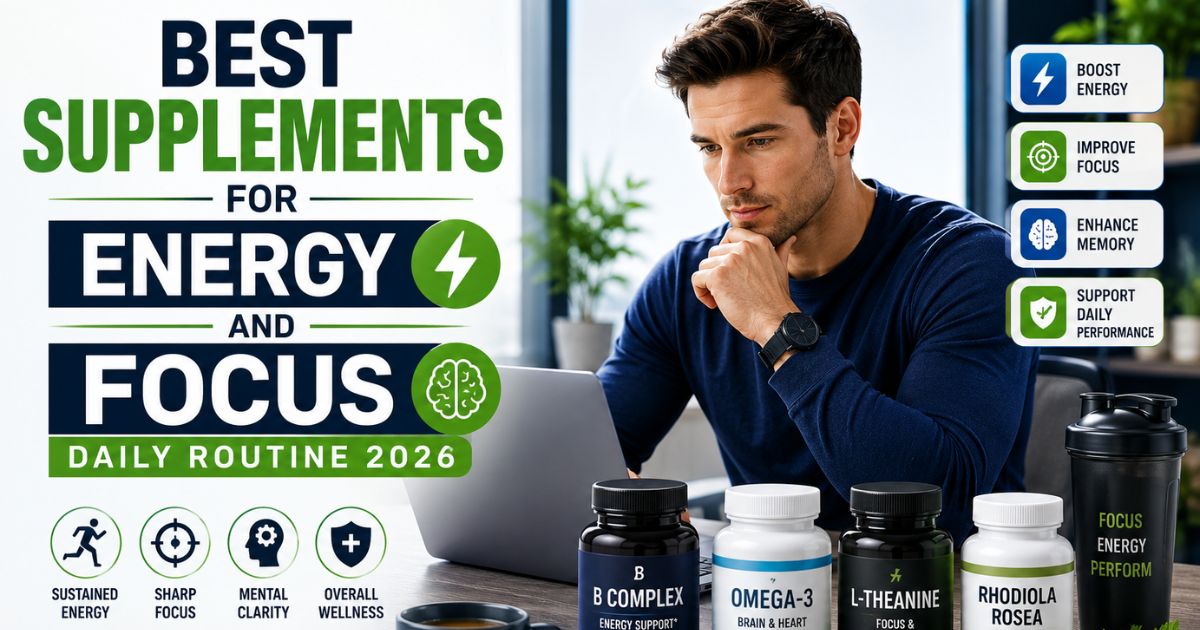

Maintaining consistent energy and mental clarity throughout the day has become one of the most common health challenges people face. Between demanding work schedules, information overload, and constant digital distractions, your brain and body need proper nutritional support to perform at their best. While sleep, diet, and exercise form the foundation, strategic supplementation can fill critical gaps and enhance cognitive performance. This guide covers the most effective supplements for energy and focus that you can safely incorporate into your daily routine, with practical dosing protocols, timing strategies, and realistic expectations based on current research and real-world application.
Understanding Energy and Focus: What Your Body Actually Needs
Energy and focus aren’t the same thing, though they’re closely related. Physical energy comes from your mitochondria producing ATP, while mental focus depends on neurotransmitter balance, blood flow to the brain, and neuronal health.
When you feel fatigued or unfocused, it’s usually due to:
- Mitochondrial dysfunction – Your cells aren’t producing energy efficiently
- Neurotransmitter imbalance – Depleted dopamine, acetylcholine, or norepinephrine
- Poor blood glucose regulation – Energy crashes from blood sugar spikes and drops
- Inflammation – Chronic inflammation drains energy and impairs cognition
- Nutrient deficiencies – Missing B vitamins, iron, magnesium, or other essentials
- Inadequate sleep – No supplement fully replaces quality rest
Supplements work best when they address the root cause rather than just masking symptoms with stimulants.
Core Daily Supplements for Sustained Energy
B-Complex Vitamins
B vitamins are coenzymes involved in converting food into cellular energy. Without adequate B vitamins, your mitochondria can’t function properly.
Key benefits:
- Support ATP production
- Help metabolize carbohydrates, fats, and proteins
- Support nervous system function
- Reduce fatigue in deficient individuals
Recommended dosage:
Take a high-quality B-complex containing:
- B1 (Thiamine): 50-100 mg
- B2 (Riboflavin): 50-100 mg
- B3 (Niacin): 50-100 mg
- B5 (Pantothenic acid): 100-500 mg
- B6 (Pyridoxine): 25-50 mg
- B12 (Methylcobalamin): 500-1000 mcg
- Folate (as methylfolate): 400-800 mcg
Timing: Take with breakfast for best absorption and to avoid potential sleep interference.
Who benefits most: People with restrictive diets, vegetarians/vegans (especially for B12), those with high stress, and anyone experiencing unexplained fatigue.
Magnesium
Over 300 biochemical reactions in your body depend on magnesium, including ATP synthesis and neurotransmitter regulation. Studies suggest 50-60% of adults don’t get enough.
Key benefits:
- Supports mitochondrial ATP production
- Regulates stress response
- Improves sleep quality
- Supports nervous system function
- Reduces muscle tension and headaches
Recommended dosage:
300-400 mg of elemental magnesium daily
Best forms:
- Magnesium glycinate (best for sleep and relaxation)
- Magnesium threonate (crosses blood-brain barrier effectively)
- Magnesium malate (good for energy)
Timing: Split dose between morning and evening, or take full dose 1-2 hours before bed.
Caution: Start with lower doses to avoid digestive upset. Avoid magnesium oxide, which has poor absorption.
Coenzyme Q10 (CoQ10)
CoQ10 is essential for mitochondrial energy production and acts as a powerful antioxidant. Production naturally declines with age.
Key benefits:
- Directly supports ATP synthesis
- Protects mitochondria from oxidative damage
- May improve exercise performance
- Supports cardiovascular health
Recommended dosage:
100-200 mg daily
Best form: Ubiquinol (the reduced, active form) for better absorption, especially for those over 40.
Timing: Take with a meal containing fat for optimal absorption.
Who benefits most: Anyone over 35, people on statin medications (which deplete CoQ10), and those experiencing age-related fatigue.
Iron (If Deficient)
Iron deficiency is one of the most common nutrient deficiencies worldwide and a major cause of fatigue.
Key benefits:
- Essential for oxygen transport
- Supports energy metabolism
- Critical for cognitive function
Recommended approach:
Get tested first. Only supplement if ferritin levels are below optimal range (30-50 ng/mL for women, 50-100 ng/mL for men).
Dosage: 18-25 mg elemental iron daily (if deficient)
Best forms:
- Iron bisglycinate (gentle on stomach)
- Heme iron polypeptide
Timing: Take on empty stomach with vitamin C for best absorption. Separate from coffee, tea, and calcium.
Important: Never supplement iron without testing. Excess iron is harmful.
Supplements for Mental Focus and Cognitive Performance
L-Theanine
An amino acid found primarily in tea leaves, L-theanine promotes relaxed alertness without sedation.
Key benefits:
- Increases alpha brain waves (calm focus)
- Reduces stress without drowsiness
- Enhances attention and reaction time
- Smooths out caffeine jitters when combined
Recommended dosage:
100-200 mg, 1-2 times daily
Timing:
- Morning for baseline calm focus
- With caffeine in a 2:1 ratio (200mg L-theanine with 100mg caffeine)
Evidence: Multiple studies show improved attention and reduced stress response within 30-60 minutes.
Alpha-GPC
A highly bioavailable form of choline that crosses the blood-brain barrier to support acetylcholine production.
Key benefits:
- Enhances memory and learning
- Supports focus and mental clarity
- Improves mind-muscle connection
- Neuroprotective properties
Recommended dosage:
300-600 mg daily
Timing: Take 30-60 minutes before cognitively demanding tasks or workouts.
Combination: Works synergistically with racetams and huperzine A.
Who benefits most: People doing intensive mental work, learners, athletes, and older adults concerned with cognitive health.
Lion’s Mane Mushroom
A medicinal mushroom with unique compounds that support nerve growth factor (NGF) production.
Key benefits:
- Supports neuroplasticity and brain health
- May improve focus and memory
- Neuroprotective properties
- Supports mood and reduces brain fog
Recommended dosage:
500-1000 mg of extract (standardized to at least 30% polysaccharides), 1-2 times daily
Timing: Morning or early afternoon. Benefits accumulate over weeks of consistent use.
Evidence: Emerging research shows promise, though more human studies are needed. Anecdotal reports are strongly positive.
Rhodiola Rosea
An adaptogenic herb that helps your body manage stress while supporting mental performance.
Key benefits:
- Reduces mental fatigue
- Improves concentration under stress
- Enhances physical endurance
- Balances cortisol response
Recommended dosage:
200-400 mg standardized extract (3% rosavins, 1% salidroside)
Timing: Take in the morning on an empty stomach. Avoid late-day dosing as it may interfere with sleep in some people.
Cycle: Use for 6-12 weeks, then take a 2-week break to maintain effectiveness.
Bacopa Monnieri
A traditional Ayurvedic herb with substantial research supporting cognitive enhancement.
Key benefits:
- Improves memory formation and recall
- Enhances processing speed
- Reduces anxiety
- Antioxidant properties
Recommended dosage:
300 mg daily of extract standardized to 50% bacosides
Timing: Take with food to reduce potential stomach upset.
Important note: Benefits appear after 6-12 weeks of consistent use. This isn’t an acute nootropic.
Creatine Monohydrate
While known for athletic performance, creatine also supports brain energy metabolism.
Key benefits:
- Provides quick energy to brain cells
- Improves working memory and processing speed
- Reduces mental fatigue
- Particularly effective for vegetarians
Recommended dosage:
5 grams daily
Timing: Anytime, with or without food. Consistency matters more than timing.
Loading phase: Optional 20g daily for 5-7 days to saturate stores faster.
Evidence: Multiple studies show cognitive benefits, especially during sleep deprivation or demanding mental tasks.
Strategic Caffeine Use for Energy Without Crashes
Caffeine remains one of the most effective and researched performance enhancers, but strategic use matters.
Smart Caffeine Protocols
Optimal daily intake: 100-200 mg, 1-2 times daily (total under 400 mg)
Timing strategy:
- Wait 90-120 minutes after waking (allows natural cortisol to peak)
- Consume before 2 PM to avoid sleep disruption
- Space doses 4-6 hours apart
Enhancement stack:
- 100 mg caffeine + 200 mg L-theanine (smooth, focused energy)
- Add 2-3g tyrosine on empty stomach 30 minutes before for enhanced dopamine support
Cycling:
Take 2 days off per week or one week off per month to prevent tolerance buildup.
Sources:
- Coffee: 80-100 mg per cup
- Green tea: 25-50 mg per cup (includes L-theanine naturally)
- Caffeine pills: Precise dosing
Common Caffeine Mistakes
- Consuming too late in the day
- Using caffeine to mask poor sleep (creates vicious cycle)
- Drinking too much too fast (causes jitters and crashes)
- Never taking breaks (builds tolerance)
- Consuming on empty stomach (may cause anxiety in sensitive individuals)
Building Your Daily Stack: Practical Protocols
Foundation Protocol (Everyone)
Morning:
- B-Complex with breakfast
- Magnesium (150-200 mg)
- CoQ10 (100-200 mg with fats)
- Vitamin D3 (2000-4000 IU if deficient)
Evening:
- Magnesium (150-200 mg, 1-2 hours before bed)
Cost: $30-50/month
Focus Enhancement Protocol
Add to foundation:
Morning:
- L-Theanine (100-200 mg)
- Alpha-GPC (300 mg)
- Lion’s Mane (500-1000 mg)
Afternoon (if needed):
- Rhodiola Rosea (200 mg)
- L-Theanine with caffeine
Cost: Additional $40-60/month
Maximum Performance Protocol
Add to foundation and focus protocols:
Morning:
- Creatine (5g)
- Bacopa Monnieri (300 mg)
As needed:
- Tyrosine (1-2g, 30 minutes before demanding tasks)
- Caffeine + L-Theanine stack
Cost: Additional $20-30/month
Total investment: $90-140/month for comprehensive support
Timing and Cycling Strategies
Daily Timing Framework
Upon waking:
- Hydrate first
- Wait 90-120 minutes before caffeine
With breakfast:
- B-Complex
- CoQ10
- Fat-soluble vitamins
- Magnesium (partial dose)
Mid-morning (9-10 AM):
- Caffeine + L-Theanine
- Alpha-GPC
- Tyrosine (if using)
Lunch:
- Creatine (if not taken earlier)
- Additional B-Complex if needed
Afternoon (if needed, before 2 PM):
- Second caffeine + L-Theanine dose
- Rhodiola
Evening (1-2 hours before bed):
- Magnesium (remaining dose)
- Glycine (3g, optional for sleep quality)
What to Cycle vs. Take Daily
Take daily without cycling:
- B vitamins
- Magnesium
- CoQ10
- Creatine
- Lion’s Mane
Cycle periodically:
- Rhodiola (6-12 weeks on, 2 weeks off)
- Caffeine (2 days off weekly or 1 week monthly)
- Tyrosine (use only as needed, not daily)
Assess after 12 weeks:
- Bacopa
- Adaptogenic herbs
Safety Considerations and Contraindications
General Safety Guidelines
Always consult healthcare provider if you:
- Take prescription medications
- Have chronic health conditions
- Are pregnant or breastfeeding
- Have liver or kidney disease
- Have a history of mental health conditions
Specific Interactions to Watch
MAO inhibitors (antidepressants): Avoid tyrosine, high-dose caffeine
Blood thinners: Use caution with high-dose vitamin E, ginkgo
Stimulant medications: Reduce or eliminate caffeine and other stimulants
Thyroid medications: Take iron and calcium at different times
Diabetes medications: Monitor blood sugar when adding supplements that affect metabolism
Signs to Reduce or Stop
Stop use and consult a professional if you experience:
- Unusual headaches or dizziness
- Heart palpitations or irregular heartbeat
- Severe digestive upset
- Anxiety or panic attacks
- Insomnia or sleep disturbances
- Skin reactions
Common Mistakes People Make
Expecting Immediate Results
Most supplements (except caffeine and acute nootropics) require consistent use over weeks to show benefits. Mitochondrial support, adaptogenic effects, and neuroplasticity changes take time.
Taking Too Many New Supplements at Once
Add one supplement at a time, waiting 3-5 days before adding another. This helps you identify what works and spot any adverse reactions.
Ignoring Sleep and Diet
No supplement compensates for chronic sleep deprivation or a nutrient-poor diet. Fix these first.
Buying Low-Quality Products
Supplements aren’t tightly regulated. Buy from reputable brands that:
- Third-party test for purity
- Use proper forms (methylated B vitamins, ubiquinol CoQ10, etc.)
- Provide certificates of analysis
- Have transparent sourcing
Not Testing Baseline Levels
Get blood work before supplementing iron, vitamin D, B12, and magnesium. You might not be deficient, or you might need more than standard doses.
Using Stimulants to Mask Problems
If you’re chronically exhausted, investigate why. Common causes include:
- Sleep disorders
- Thyroid dysfunction
- Anemia
- Depression
- Chronic stress
- Autoimmune conditions
Quality Matters: Choosing Supplements Wisely
Third-Party Testing Certifications
Look for:
- NSF Certified for Sport (strictest testing)
- USP Verified
- ConsumerLab Approved
- Informed-Choice/Informed-Sport
Red Flags to Avoid
- Proprietary blends (can’t see individual doses)
- Unrealistic claims (“boost energy 500%”)
- No contact information or transparency
- Extremely cheap prices (often contaminated or underdosed)
- Unnecessary fillers and additives
Recommended Forms
| Nutrient | Avoid | Choose |
|---|---|---|
| B12 | Cyanocobalamin | Methylcobalamin or Adenosylcobalamin |
| Folate | Folic acid | Methylfolate (5-MTHF) |
| Magnesium | Oxide | Glycinate, Threonate, Malate |
| CoQ10 | Ubiquinone (if over 40) | Ubiquinol |
| Iron | Ferrous sulfate | Bisglycinate, Heme iron |
| Vitamin D | D2 | D3 (cholecalciferol) |
Measuring Your Results
Subjective Tracking
Keep a daily journal noting:
- Energy levels (1-10 scale, 3x daily)
- Focus quality and duration
- Mood and stress resilience
- Sleep quality
- Physical performance
Objective Markers
Before starting supplements:
- Blood work (B12, vitamin D, ferritin, magnesium, thyroid panel)
- Baseline cognitive testing (reaction time, memory tests)
- Physical performance benchmarks
After 8-12 weeks:
- Retest blood markers
- Reassess cognitive performance
- Compare subjective experiences
When to Adjust
If no improvements after 8-12 weeks:
- Verify supplement quality and dosing
- Check for underlying health issues
- Consider different supplements
- Reassess foundation (sleep, diet, stress)
If experiencing side effects:
- Reduce dose
- Try different form
- Take with or without food (opposite of current)
- Discontinue if issues persist
Beyond Supplements: Complementary Strategies
Supplements work best when combined with:
Sleep Optimization
- 7-9 hours nightly
- Consistent schedule
- Dark, cool room
- No screens 1 hour before bed
Nutritional Foundation
- Adequate protein (0.8-1g per pound bodyweight)
- Healthy fats (omega-3s, olive oil, avocados)
- Complex carbohydrates timed around activity
- Minimize processed foods and sugar
Movement and Exercise
- 150 minutes moderate activity weekly
- Resistance training 2-3x weekly
- Daily walking (boosts focus and energy)
- Avoid overtraining (depletes rather than enhances)
Stress Management
- Regular meditation or breathwork
- Time in nature
- Social connection
- Meaningful work and hobbies
Cognitive Hygiene
- Single-tasking instead of multitasking
- Regular breaks (Pomodoro technique)
- Learning new skills
- Limiting digital distractions
Future Trends in Energy and Focus Supplementation (2026 Outlook)
Personalized Supplementation
Genetic testing and biomarker analysis are becoming more accessible, allowing supplement protocols tailored to individual needs based on:
- Genetic polymorphisms (MTHFR, COMT, etc.)
- Microbiome composition
- Real-time nutrient status
Novel Compounds Gaining Research Support
Urolithin A: Mitochondrial health and cellular recycling
Ergothioneine: Potent antioxidant concentrated in mitochondria
Spermidine: Autophagy promoter for cellular renewal
Methylene blue: Low-dose mitochondrial support (emerging research)
Enhanced Delivery Systems
- Liposomal formulations for better absorption
- Time-release technologies for sustained effects
- Sublingual and transdermal options
Combination Products
More sophisticated pre-formulated stacks based on synergistic research rather than random ingredient inclusion.
FAQs
Q: Can I take all these supplements together?
Most can be combined safely, but start slowly. Begin with foundation supplements for 2 weeks, then add focus enhancers one at a time. Watch for interactions if you take medications.
Q: How long before I notice results?
Caffeine and L-theanine work within 30-60 minutes. B vitamins and magnesium may show effects in 1-2 weeks if you’re deficient. Adaptogens like rhodiola take 2-4 weeks. Bacopa requires 6-12 weeks for full benefits.
Q: Are these supplements safe long-term?
The foundation supplements (B vitamins, magnesium, CoQ10) are generally safe for long-term use at recommended doses. Cycle adaptogens and take occasional breaks from caffeine. Regular blood work helps monitor status.
Q: Can I get these nutrients from food alone?
Ideally, yes, but modern diets often fall short. Soil depletion, food processing, and lifestyle factors create gaps. Supplements fill these efficiently. Prioritize whole foods first, supplement strategically second.
Q: What if I’m sensitive to caffeine?
Try lower doses (50mg), always pair with L-theanine, or switch to green tea which contains natural L-theanine. Alternatives include rhodiola, tyrosine, or B vitamins for energy without stimulation.
Q: Do I need to take supplements on rest days or weekends?
Foundation supplements (B vitamins, magnesium, CoQ10, creatine) should be taken daily for consistent benefits. You can reduce or skip acute nootropics and caffeine on less demanding days.
Q: Are expensive brands worth it?
Quality matters more than price, but they often correlate. Mid-range brands with third-party testing offer the best value. Extremely cheap supplements are often poorly absorbed or contaminated.
Q: Can these supplements help with ADHD?
Some people find tyrosine, L-theanine, magnesium, and omega-3s helpful for focus, but they’re not replacements for medication if prescribed. Work with your healthcare provider to find the right approach.
Q: Should I take breaks from these supplements?
Cycle adaptogens and caffeine. Foundation nutrients can be taken continuously, but reassess every 3-6 months with blood work to ensure you’re not over-supplementing.
Q: What’s the single best supplement for energy and focus?
There isn’t one. B-complex addresses common deficiencies that cause fatigue. Magnesium supports hundreds of processes. L-theanine + caffeine provides immediate focus. The best approach combines several based on your specific needs.
Conclusion
Building an effective supplement routine for energy and focus requires understanding your individual needs, choosing quality products, and maintaining realistic expectations. The foundation starts with B vitamins, magnesium, and CoQ10 to support cellular energy production. Layer in targeted nootropics like L-theanine, alpha-GPC, and lion’s mane for cognitive enhancement. Use caffeine strategically rather than habitually, and consider adaptogens like rhodiola for stress resilience.
Remember that supplements enhance an already solid foundation of sleep, nutrition, exercise, and stress management—they don’t replace it. Start with one or two supplements, track your response, and build gradually. Give each addition 2-4 weeks before assessing effectiveness. Invest in quality products from reputable brands with third-party testing, and work with a healthcare provider to address any underlying health issues causing fatigue or poor focus.
The right supplement protocol is highly individual. What works brilliantly for someone else might do little for you, and vice versa. Pay attention to your body’s signals, adjust accordingly, and remember that consistency beats intensity. Small, sustainable improvements compound into significant long-term benefits for both energy and mental performance.